
There are a lot of resources on the internet about mobile journalism. Here are some profiles to follow on social networks to improve our practice.


There are a lot of resources on the internet about mobile journalism. Here are some profiles to follow on social networks to improve our practice.
 Posted on Wednesday, December 21st, 2016 by ATC in Industry News with No Comments

C’est grâce à une augmentation de leur part de la redevance que les quatre chaînes privées romandes conservent leur position. Cependant, l’initiative No Billag, qui vise à supprimer
Posted on Tuesday, December 13th, 2016 by ATC in Industry News with No Comments

Les utilisateurs anglo-saxons de Facebook ont eu la surprise de découvrir ce lundi 3 octobre une nouvelle rubrique: Marketplace. Comme eBay ou le Bon Coin, la plate-forme d’e-commerce propose
Posted on Monday, December 12th, 2016 by ATC in Industry News with No Comments

The first data journalism conference, in UK on 22 november, dealed with the building of engaged audience for data stories, in particular the idea of making news more personal.
Posted on Monday, December 5th, 2016 by ATC in Industry News with No Comments

La nouvelle série de CBS, The Great Indoors, brosse le portrait d’une équipe de journalistes web confrontée à l’évolution de leur métier, et aux prises avec une hiérarchie très «vieille
Posted on Saturday, December 3rd, 2016 by ATC in Industry News with No Comments

The trends come and go in many fields. This is also true in journalism ! Medium tries to explain the causes of 5 recent comebacks among the most important,
Posted on Thursday, December 1st, 2016 by ATC in Industry News with No Comments

© Netflix / Kickstarter / Beacon
‘Aboriginal people represent just 4.3 per cent of Canadians, according to Statistics Canada, and Aboriginal women comprise a similar percentage of Canadian women.
Posted on Wednesday, September 9th, 2015 by ATC in Industry News with No Comments

For a year now, major media channels such as the BBC and the New York Times have been publishing news on instant messaging channels such as WhatsApp and Snapchat.
Posted on Wednesday, September 2nd, 2015 by ATC in Industry News with No Comments
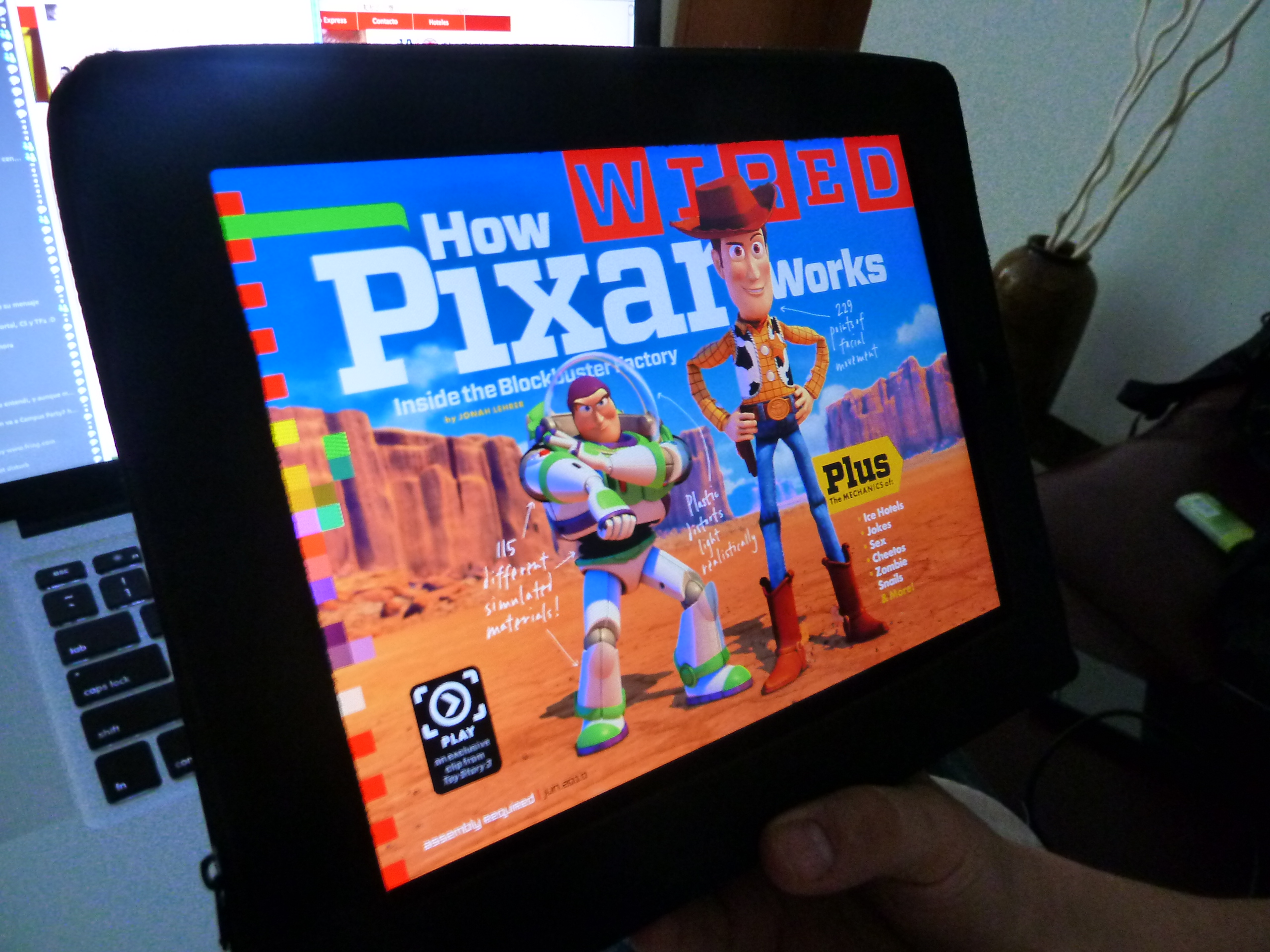
Apple launched its new ‘News’ app during the Worldwide Developers Conference in June. This content aggregator will be available as a mobile app when iOS 9 is launched next autumn, replacing its current ‘Newsstand’.
Posted on Wednesday, July 1st, 2015 by ATC in Industry News with No Comments

After the release of Merrkat, Twitter immediately hit back by launching Periscope, its own video livestreaming app. Two apps and a lot of sector of activities: news, politic, sport and entertainment.
Posted on Thursday, April 30th, 2015 by ATC in Industry News with No Comments

Yik Yak was launched in 2013 as a kind of anonymous, geo-located Twitter app and took the world by storm before more recently whipping up an equally big storm of controversy. For some people, this app frees up speech and this makes it a valuable journalistic tool – for others it is simply a gigantic digital rant room.
Posted on Thursday, April 30th, 2015 by ATC in Industry News with No Comments

© Berkeley Graduate School of Journalism
Our last post about “mojo” or “mobile journalism” has had a lot of feedback this week and many of you wanted to know more.
Posted on Friday, April 17th, 2015 by ATC in Industry News with No Comments

The explosion in smartphones has not stopped disrupting journalistic practices. Not only has it deeply altered the relationship between the public and the media but it has given journalists a new tool – the mobile phone – which allows them to film, photograph and even edit their own reports directly on their mobile.
Posted on Tuesday, April 14th, 2015 by ATC in Industry News with No Comments

Paradoxically, the current flood of smart phones and tablets is not good news for digital media funded by ads. The same advertisement brings in five times less revenue when it is viewed on a mobile device than on a desktop computer, simply because it is much less visible – and consequently profitable – on a small screen.
Posted on Tuesday, March 31st, 2015 by ATC in Industry News with No Comments

While information on the internet is frequently free of charge, the very nature of the media consumed on tablets means that users are prepared to pay for it.
Posted on Wednesday, March 11th, 2015 by ATC in Industry News with No Comments